Windowless bathrooms present a unique design challenge: how to create a bright, inviting space without natural light. The right mirror can be a game changer by enhancing both functionality and ambiance. In this comprehensive guide, we’ll break down how to choose bathroom sconce spacing 28 to 40 inches the best mirror for your windowless bathroom, focusing on lighting types, sizing, mounting, and placement. We’ll also integrate expertise from industry leaders like the National Kitchen & Bath Association (NKBA), lighting brands like Golden Lighting and Lumens, and practical insights from tradespeople such as glaziers and electricians.
Why Mirror Choice Is a Functional Decision in Windowless Bathrooms
Choosing a bathroom mirror goes beyond aesthetics—especially in a windowless setting. The mirror becomes a critical source of light reflection, task illumination, and visual spaciousness. Let’s look closer at mirror types and how they influence usability and lighting.
Types of Bathroom Mirrors
- Standard Glass Mirrors: Simple and classic, these provide broad reflection but rely entirely on external lighting. Poor choice if you want integrated illumination. Backlit LED Mirrors: These feature LED strips behind the mirror glass, emitting ambient glow without glare. They create soft, even illumination perfect for shadow-free grooming. Front-lit LED Mirrors: Illumination is embedded into the mirror’s frontal surface, usually around a decorative frame or etched detailing which can cause hotspots or shadows if poorly designed. Storage Mirrors: Cabinets or medicine cabinets behind mirrors add utility without clutter but require precise mounting and electrician coordination for integrated lighting options. Demister-Equipped Mirrors: Critical in humidity-prone bathrooms to avoid fog. Demisters usually pair well with LED lighting but add to cost and wiring complexity.
Verdict: Backlit mirror thickness for bathroom LED mirrors are generally superior in windowless bathrooms—providing even ambient light, high CRI (Color Rendering Index), and sleek surfaces. Demister yes. Dashboard mirror with simple lighting, maybe but often less effective.
Lighting Before Mirror Width: A Crucial Design Rule
One quirk seasoned designers and NKBA guidelines highlight is to decide on lighting needs prior to finalizing mirror width. This seems counterintuitive but saves headaches later.
Why Lighting Dictates Mirror Size
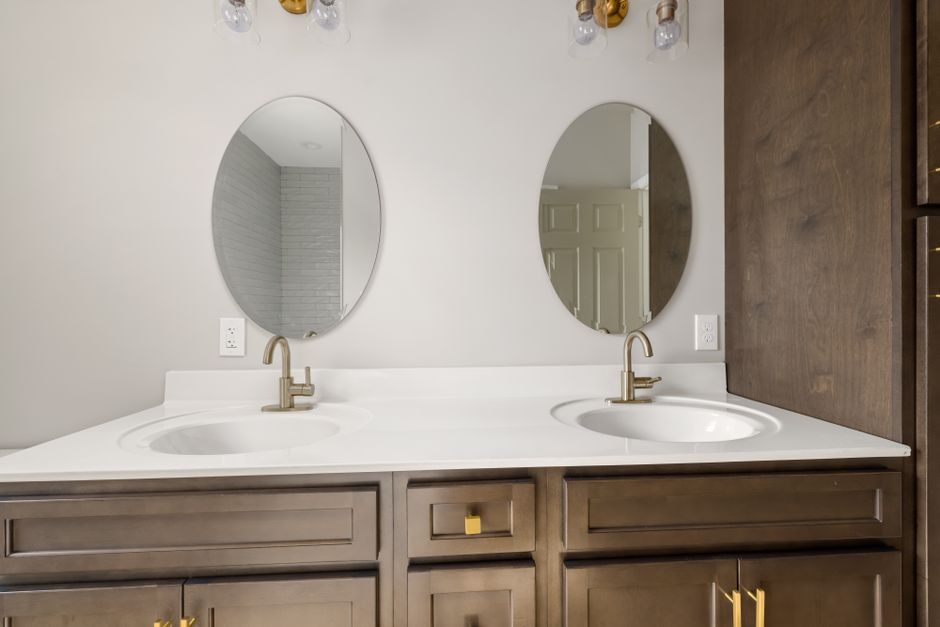
- Sconce Spacing: Flanking sconces on either side of a mirror must have adequate clearance to avoid crowding. Oversized mirrors can “swallow” sconces, forcing them too close to edges. Mounting Height: Properly positioned sconces should sit 65-70 inches from the floor and 28-36 inches apart to provide flattering, shadow-free light on the face. Electrical Points: Electricians need to install wiring and feeds before wall finishes go up, especially for hardwired backlit mirrors or combined sconce circuits.
Golden Lighting emphasizes that the placement of sconces is vital—too close to the mirror edge causes glare; too wide reduces focused task lighting. Thus, start by selecting or specifying lighting fixtures, determine their mounting heights and spacing, then select a mirror width that fits comfortably between or around them.
Task Lighting vs Ambient Lighting in Windowless Bathrooms
Understanding the function of different lighting types is vital for mirror selection and placement.
Lighting Type Purpose Typical Fixtures Recommended CRI Notes Task Lighting Illuminates specific areas for grooming: shaving, applying makeup Sconces, hardwired LED backlit mirrors CRI ≥ 90 for accurate color rendition Should minimize shadows; placed near eye level (65-70”) Ambient Lighting Creates overall mood and fills the room Backlit mirrors, ceiling fixtures, LED strips CRI 80+ acceptable, but 90 preferred for quality Softens harsh shadows; diffused glow is idealIn a windowless bathroom, ambient evening light bathroom fixtures — such as golden-hued LEDs with dimming capability—help mimic natural light cycles and prevent the space from feeling sterile.
Key Sizing Rules for Bathroom Mirrors in Windowless Spaces
NKBA guidelines and professional experience suggest the following sizing considerations:
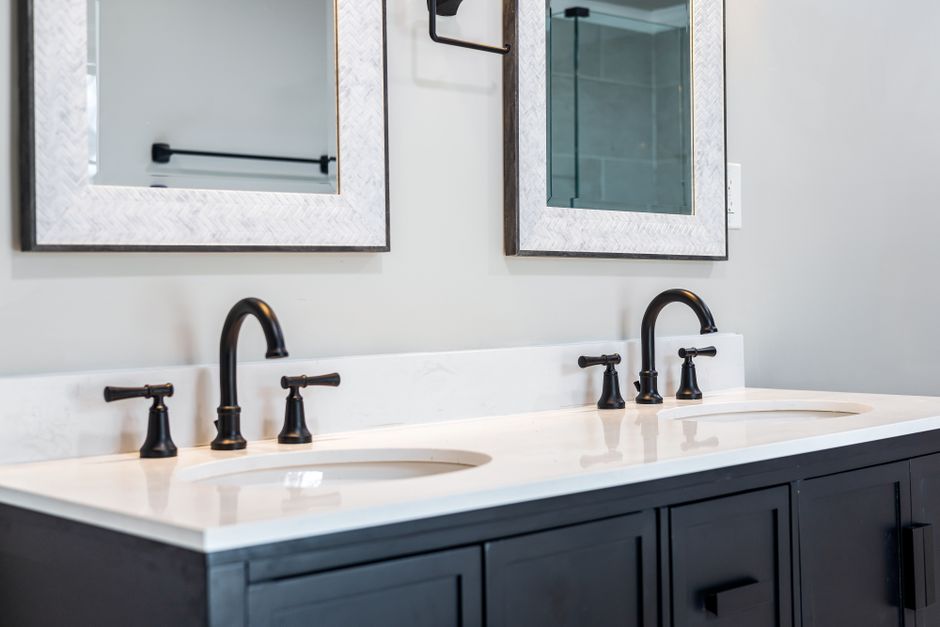
Match Mirror Width to Vanity Size: Usually 75-100% of vanity width. If double vanity, provides two mirrors or one wide mirror respecting sconce clearance. Allow 3-6 inches on either side for sconces: Prevents fixtures from seeming cramped. Height: Typically 32-36 inches tall, but adjustable to accommodate user height and lighting direction. Mounting Height: Bottom edge of mirror 40-44 inches from floor; verify with electrician/glazier before installation.Glaziers play a critical role here by templating the mirror accurately against the wall, plumbing, and lighting layout. They often coordinate with electricians who provide optional added feeds for LED illumination or demisters embedded in the mirror plate glass.
The Role of Tradespeople: Glaziers and Electricians
Windowless bathroom mirror installation often requires specialist coordination:
- Glaziers: Provide precise glass cutting and finishing. They ensure edge seals—critical to avoid humidity damage—and template mirrors with cutouts for integrated lighting or demister pads. Glass plate installations require secure mounting hardware to prevent warping or sagging under LED lighting weight. Electricians: Install circuits for hardwired LED backlit mirrors and sconces. This includes planning new feeds within wall cavities before drywall and tile. They verify compatibility and voltage to ensure LED drivers operate efficiently and safely. Also responsible for installing dimmers that can support CRI 90-rated bulbs recommended by NKBA for bathroom environments.
Without their input early, you risk misalignments or costly adjustments after finishes.
Top Product and Brand Recommendations
Based on comprehensive lighting quality, integration ease, and durability in humid windowless bathrooms, consider these:
- Golden Lighting: Offers sophisticated wall sconces with tunable white LEDs and finishes that withstand moisture. Their sconces integrate well with backlit mirrors without overpowering. Lumens: Features a wide range of backlit LED mirrors, many with CRI ≥ 90 and demister options. Their product specs clearly distinguish front-lit from backlit, addressing the common market confusion. NKBA Certified Products: NKBA maintains directories of lighting and fixture standards that prioritize usability and serviceability in residential bathrooms—stick to these guidelines for long-term satisfaction.
Common Mistakes to Avoid
- Choosing mirrors first, then forcing lighting to adapt: Leads to awkward sconce placements and compromised light quality. Oversized mirrors blocking sconce space: Resulting in harsh shadows or fixture glare. Ignoring CRI values: Low CRI lighting distorts skin tone and colors, frustrating grooming. Cheap mirrors with unsealed edges: Fog and rot in humid windowless bathrooms undermine mirror longevity. Marketing hype masking lighting type: Always verify if mirror is truly backlit LED, not just a decorative halo or front-lit edge.
Summary and Final Verdict
Designing a windowless bathroom demands thoughtful layering of light and mirror choice. Here is the distilled advice:
- Decide lighting layout first: Sconce height and spacing must guide mirror width and mounting height. Choose a backlit LED mirror with high CRI (90+): Ensures flattering task lighting and pleasant ambient glow. Engage glazier and electrician early: For precise templating, edge sealing, and wiring coordination. Keep mirror width comfortably narrower than vanity to leave space for sconces: Avoid oversized mirrors that crowd lighting fixtures. Opt for demister-equipped mirrors: Essential for fog-free surfaces in humid, windowless conditions.
Follow NKBA recommendations, lean on products from Golden Lighting and Lumens, and coordinate with your glazier and electrician. Your bathroom will be bright, functional, and enjoy a timeless design that works beautifully despite the lack of windows.
```