When embarking on a bathroom remodel, homeowners often focus on tiles, vanities, and fixtures but frequently underestimate the cost and complexity of installing a bathroom mirror. Beyond mere aesthetics, mirrors dramatically influence lighting, storage, and spatial perception in bathrooms. Understanding mirror installation cost requires unpacking various factors: mirror types, sizing rules aligned with lighting layouts, optimal placement heights, and the interplay of task versus ambient lighting.
Industry standards from the National Kitchen & Bath Association (NKBA) along with insights from lighting experts like Golden Lighting and retailers such as Lumens can help homeowners and professionals form a realistic budget and specification.
Bathroom Mirror Types as Functional Decisions
Choosing a mirror isn’t just about shape or style; it’s about the mirror's function. The primary types you'll encounter fall into four categories:
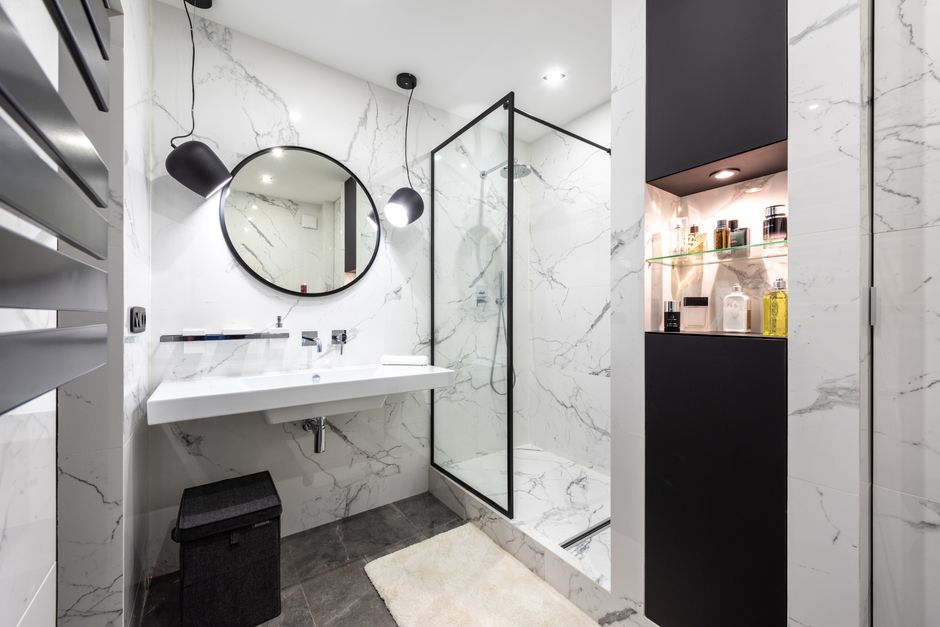
- Shape: Rectangular, oval, round, or hexagonal. Shape influences placement and lighting. Storage: Plain plate glass, medicine cabinets, or mirrored storage cabinets affect wall space and installation complexity. Mounting: Wall-mounted mirrors require strong anchors and precise height placement; recessed mirrors call for construction adjustments. Lighting: Front-lit, backlit, or integrated LED mirrors necessitate electrical considerations during installation.
Each decision affects labor intensity and bathroom mirror labor costs. For instance, installing an integrated LED mirror often requires coordination between a glazier and an electrician to template, secure the glass, and hardwire the lighting.
Shape Matters More Than Style
While round mirrors are trendy in the 2020s, oversized or unconventional shapes can crowd sconce space and hinder lighting optimization. As someone who always decides lighting before mirror width, I’ve seen many projects where oversized round mirrors compromised functional lighting. NKBA recommends rectangular or square mirrors for better compatibility with flanking sconces, simplifying placement heights and spacing.
Storage Considerations
Choosing a mirrored medicine cabinet introduces complexity for glaziers who must template and install not just glass but an entire cabinet unit. This also impacts electricians when adding feeds for integrated lighting or demisters. Expect higher mirror installation cost for these multifunctional units.
Sizing Rules Tied to Lighting Layout
Mirror size always complements lighting layout — inversely, lighting plans dictate mirror sizing. Ignoring this leads to oversized mirrors that crowd sconces, dim task lighting, or create undesired glare.
Standard Sizing Rules
- Width of mirror should be no wider than the vanity to avoid awkward lighting placement. Leave at least 3–6 inches of horizontal clearance on each side for sconces. Height typically ranges from 30 to 36 inches, matching average user eye height and lighting angles.
For example, a 48-inch wide vanity paired with 6-inch-wide sconces requires a mirror between 36 to 42 inches wide to balance lighting and reflection. Oversized mirrors competing with sconces cause shadows or diminish sconce effectiveness.

Lighting Installation Drives Labor
Lighting is the first step before mirror size. For mirrors with integrated LEDs from brands featured at Lumens or Golden Lighting, electrical wiring must be prepped by a licensed electrician. Typical work consists of:
Adding dedicated half- or full-switch feed circuits. Removing old junction boxes or installing new back boxes. Wiring dimmable or color-tunable LEDs per manufacturer specifications.Unexpected electrical work can increase mirror installation cost significantly if not planned. Make architecturelab.net sure your contractor coordinates between the glazier — responsible for templating and professionally installing plate glass mirrors — and electrician to avoid delays.
Placement Heights and Sconce Spacing
Following NKBA placement guidelines enhances mirror function and lighting effectiveness. The ideal mirror height reflects user averages and fits common sconce mounting heights.
- Mirror Height Placement: Bottom edge 40 inches from floor minimum; top edge at user eye or 72–80 inches from floor for average adult height. Sconce Spacing: Mounted 60–66 inches from floor, spaced 28–36 inches apart, covering vertical mirror centerline.
Well-placed sconces create balanced illumination for grooming tasks avoiding glare. Placing sconces too low or too close to large mirrors causes uncomfortable shadows and mirror reflections that reduce light utility.
Task Lighting vs. Ambient Lighting: Mirror Implications
Knowing what kind of lighting you need informs mirror and fixture choices:
- Task Lighting: Bright, white light — usually 2700K to 3500K, CRI 80+ — at sconce height. Essential for shaving, makeup, contact lens application. Mirrors without demisters and edges properly sealed tend to fail in humid conditions causing fog or delamination. Ambient Lighting: General room illumination often augmented by ceiling fixtures or integrated diffuser LEDs behind mirrors.
An integrated LED mirror can provide ambient light, but task lighting next to the mirror ensures shadow-free facial illumination. Demister pads that prevent fog build-up behind mirrors are a wise investment for humid environments. Dashboard lighting maybe; demister pads yes.
What Is the Realistic Installed Cost?
Based on labor, materials, and coordination among specialists (glazier and electrician), here is a breakdown of what you can expect for installed bathroom mirror costs:
Installed Bathroom Mirror Cost Estimate (Typical Residential Remodel) Item Cost Range Notes Standard plate glass mirror (36"×30") $50 – $100 Material only Mirror labor (templating & installing by glazier) $60 – $120 Based on local rates and wall complexity Electrician labor for LED mirror wiring $100 – $250 Includes new feed & switch Integrated LED mirror with dimming & demister $400 – $700 Higher-end fixtures from Lumens or Golden LightingThe range of installed bathroom mirror $110 to $240 typically reflects straightforward standard mirrors without added electrical work or storage features. Adding integrated LEDs or mirrored cabinets pushes costs higher.
Summary: Smart Mirror Investment
Choosing your bathroom mirror and budgeting for its installation is a nuanced process. Functionality trumps fleeting trends. Use NKBA guidelines to select mirror shapes and sizes that complement your lighting layout, and plan for wall-mount heights and sconce spacing carefully. Coordinate between your glazier and electrician to handle plate glass templating and lighting installation with minimal surprises.
Expect mirror installation cost to fall typically between $110 to $240 for standard units. Integrated LED models and mirrored storage drive costs past these ranges. And remember: demister pads? Yes. Dashboard lighting? Maybe.