When it comes to making a house a home, the dining table remains the undisputed heart of the space — a gathering point for meals, stories, celebrations, and even those spontaneous moments of togetherness. For many households, especially those with small dining rooms or compact apartments, choosing the right dining table can be a balancing act. It’s You can find out more not just about style; it’s also about ensuring the piece fits gracefully into the room’s proportions, allows for smooth circulation, and welcomes everyone around it without the space feeling cramped or showroom cold.
Having spent a decade helping families and small-space dwellers style dining areas that invite warmth and function, I always start by looking at the table’s shape and leg profile—because those often dictate how folks move around the table and how comfortably the chairs tuck in. And yes, I keep a close tab on "things that snag pockets or knees!" With that in mind, here are some indispensable ideas for small dining room furniture — including how to choose a compact dining table and cultivate a flexible dining setup that does not overwhelm your room.
1. The Dining Table as the Heart of Your Home
Before diving into dimensions and styles, it’s essential to remember that the dining table is the social nucleus of a household. From weekday breakfasts to weekend dinner parties, it’s a stage for family life. Bandpass Design, a design studio known for marrying form and function beautifully, often highlights tables that are more than just furniture—they’re conversation starters crafted for real living.
What does this mean for a small dining table? The piece must feel inviting, approachable, and adaptable. It should encourage people to gather without making them feel like they need to hover awkwardly outside the area. Hence, selecting furniture that respects room flow and creates natural pathways is crucial.
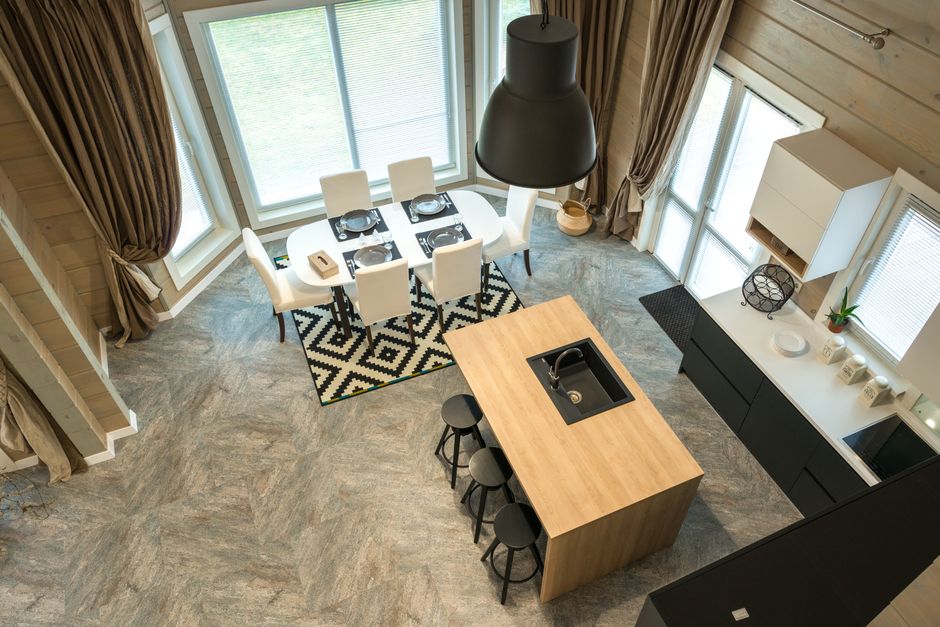
Why Circulation Matters More Than You Think
One overlooked aspect in lots of dining room setups is how people move around the table. I always notice the shape of the legs and the edge profile — because too many bulky legs or sharp corners instantly become pocket-snaggers or knee bangers. A well-considered table lets everyone slide in and out without fumbling, Click for info especially when space is tight.
Households are dynamic: kids dash around, guests come and go, and sometimes the family pets weave between legs. A table that prioritizes clear pathways and circulation not only looks better but functions seamlessly in daily life.
2. Room Proportions and Circulation: Measure Twice, Arrange Once
Let’s get practical: vague advice about “buy a smaller table” doesn’t cut it if you ignore your actual room size and layout. How much free space you leave around the table — typically 36 inches minimum for circulation — determines whether your dining area will feel open or claustrophobic.
Area Around Table Recommended Space Purpose Between Table and Wall/Other Furniture 36 inches (3 feet) Allows chairs to be pulled out fully and people to walk behind seated guests Between Chairs at Table Edge 24 inches minimum Ensures guests don’t bump elbows and have personal dining space Table Height 28-30 inches Standard dining comfortWhen working with a small dining room, think about circulation pathways first. If your available space is very limiting, you can look into flexible dining setups such as extending tables, fold-down leaf options, or even wall-mounted drop-leaf tables that optimize movement without compromising seating.
3. Shape Choice: Rectangular vs Round vs Oval for Compact Dining Tables
My instinct is to size the shape before the color because, to me, the legs and edging dictate movement, and the shape dictates seating dynamics:
- Rectangular Tables: The classic choice, rectangular tables fit snugly against a wall or in narrow spaces. They accommodate more people lengthwise but require enough clearance on the long sides for chairs to be pulled out comfortably. Round Tables: Rounded edges prevent snagging and allow people to circulate easily. Round tables spark conversation with no “head” of the table, but typically take up more floor space than their seat count suggests. Oval Tables: Offering the best of both worlds, oval tables combine the openness of round edges with the streamlined seating of rectangular shapes. They minimize sharp corners — a real plus in compact spaces where knees often bump into table corners.
Here’s a quick rundown of which shape often works best by room dimension:
Room Size Suggested Table Shape Why? Small, Narrow Rooms (under 8 feet wide) Rectangular or Narrow Oval Fits lengthwise, maximizes seating without crowding circulation Compact Square-Like Rooms Round Encourages flow, eliminates corner hazards Irregular or Open-Plan Spaces Oval Soft edges integrate better with adjacent zones4. Materials That Add Warmth and Texture Without Bulk
In my experience staging real family dining rooms, materials are the secret weapon for making compact dining tables feel intentional — rather than just "small." What matters beyond color or finish is how the table’s surface and legs interact with lighting and surrounding decor to create a warm texture that invites use.
Here are some material considerations that help small dining tables anchor the room without overpowering it:
- Light/Medium Wood Tones: Woods like oak, maple, or walnut bring natural warmth and beautiful grain patterns. Bandpass Design often specifies tables with slim legs and minimal aprons to keep a light profile while still feeling substantial. Metal Bases with Wooden Tops: Metal legs — particularly in matte black or brass — can visually lift the table, making the room airier while maintaining durability. Textured Surfaces: Tables with subtle embossing, reclaimed wood finishes, or hand-rubbed edges add tactile interest that distracts from the table’s small size. Glass or Acrylic: Transparent tops reduce visual bulk, though these work best paired with warmer chair materials to avoid the “showroom” coldness I find personally off-putting.
Combining Materials for Flexibility
A flexible dining setup means combining materials that are easy to maintain, look timeless, and—crucially—not fragile under family use. Recently, some small dining room furniture lines have embraced mixed-material options that allow for easy finishes and are less prone to dents, making them perfect for both daily meals and the occasional home office desk.
5. Inspiration from Industry Experts and Trusted Resources
If you’re hunting for real-world examples, Architectural Digest regularly spotlights innovative compact dining tables and clever room solutions that fit smaller homes while maintaining high design impact. Their editorial rigor means you’re looking at furniture solutions vetted by top designers, not just trend-chasing marketing hype.
Meanwhile, when viewing product images or portfolio examples from brands or designers, you’ll often encounter photos hosted on platforms such as Squarespace's image CDN. These images provide clear perspective on scale and legroom, so take advantage of those carefully styled shots when narrowing your choices.
6. Supporting Your Small Dining Room Blog or E-Commerce Site
For bloggers and small businesses who want to share dining table ideas or sell compact dining solutions, tools like Google’s reCAPTCHA safeguard your website against spam and bots while keeping user experience smooth. And for monetization, Google AdSense (pub-2672808537104599), when integrated thoughtfully, can provide revenue to support your content creation without crowding your beautiful images or text.
Using Squarespace for editorial workflows offers a polished, manageable platform to showcase your curated small dining room collections and inspirations. Their intuitive CMS ensures that images load quickly and responsively—essential for retaining readers who want a seamless browsing experience.
7. Quick Recap: Choosing the Best Small Dining Table for Your Home
Measure your room very carefully: Allow at least 36 inches around the table for comfortable circulation. Think about shapes: Oval tables often work best in compact spaces due to their soft edges and streamlined seating arrangement. Check the leg profile: Slim, tapered legs or pedestal bases free up knee room and reduce pocket snag risks. Choose warm, textured materials like medium-tone woods or mixed metal/wood combinations to add inviting character. Look for flexible designs: Extendable or foldable tables can expand seating when guests come over, then neatly tuck away. Consider circulation flow: People should move easily around the table and chairs without bumping into corners or legs.Conclusion
Small household dining tables don’t have to overwhelm your space or feel like awkward leftovers. By carefully balancing shape, size, material, and circulation ease, your dining table will truly become the welcoming heart of your home—a stage for the everyday and the extraordinary. Whether you’re browsing inspiring images on Squarespace’s portals, studying the works of Bandpass Design, or flipping through Architectural Digest, remember that measured, functional, and tactile details make all the difference in small dining room furniture.
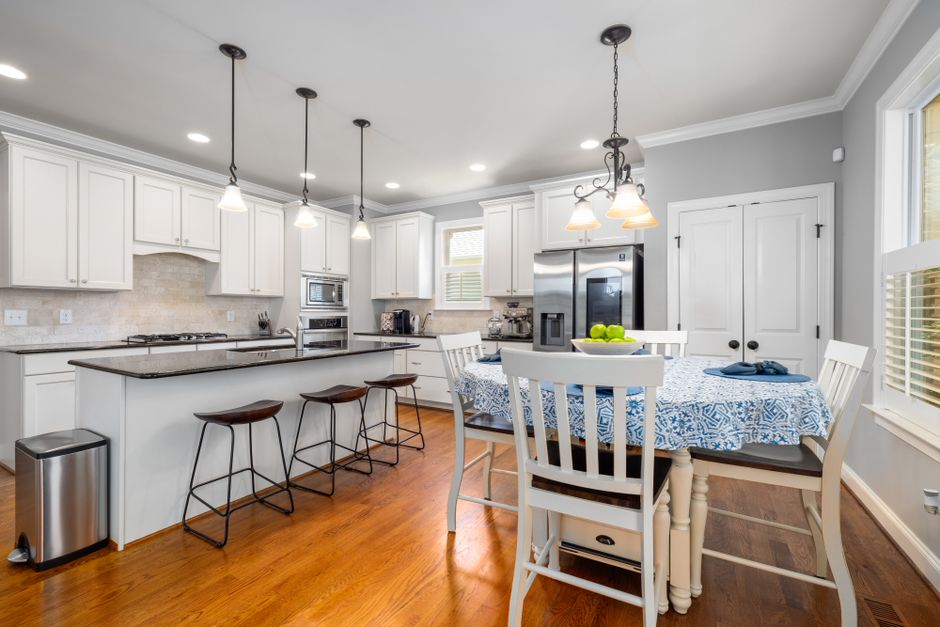
If you keep people’s movement around the table front and center in your mind — and avoid pieces that snag knees or pockets — you’ll create a compact dining layout that feels both spacious and intimate, just right for family, friends, and life’s quotidian joys.