Moving day is famously hectic. Between corralling boxes, coordinating with movers, and making sure the truck is parked just right, it’s no wonder small details often slip through the cracks. One common question I hear from movers and re-locators is whether it’s a good idea to take photos of empty rooms after the moving truck has been loaded. The short answer: absolutely yes, and here’s why.
In this comprehensive guide, we’ll explore the practical benefits of empty room photos moving, how these photographs serve as solid “ move out condition proof,” and their role in inventory support photos. Plus, I’ll weave in insights from trusted sources like the Federal Motor Carrier Safety Administration (FMCSA), highlight important safety tips, and share advice on how Southside Moving (Southside Portsmouth Va Movers) handles logistics to streamline the day.
Why Photograph Empty Rooms After Loading?
It’s tempting to rush off once the truck is fully loaded, especially if you’re juggling elevator bookings, coordinating building access, or ensuring the truck parks in the right spot. But snapping clear photos of the empty rooms can save headaches later. Here are some key reasons:
- Proof of Move-Out Condition: Empty room photos serve as unbiased documentation of the property’s condition after your belongings have been removed. This can clarify disputes about damage or cleanliness with landlords or future buyers. Support for Your Inventory: Photos complement the written inventory list provided to moving companies, capturing any damage or wear and tear prior to loading. Dispute Resolution Aid: If an issue arises with a moving company or property management, clear baseline images provide concrete evidence to refer to. Personal Peace of Mind: Knowing you have detailed proof can reduce stress during what is often a chaotic day.
FMCSA Guidance: Your Rights and Responsibilities When You Move
If you’re using professional movers, like Southside Moving (Southside Portsmouth Va Movers), or any interstate move, the Federal Motor Carrier Safety Administration (FMCSA) offers essential resources to help protect you. Two recommended publications are the FMCSA ‘Your Rights and Responsibilities When You Move’ booklet and the FMCSA ‘Ready to Move’ brochure. Both explain what you should expect from movers and how to prepare.
The FMCSA emphasizes the importance of thorough inventory and condition documentation both before and after the move, making photos of empty rooms a valuable tool for demonstrating move out condition proof.
Protect Your Move Initiative
The Protect Your Move program, run by the FMCSA, offers guidance on avoiding mover scams and making informed decisions. Among their tips is to take your own photos, especially Visit website after loading and unloading, to document the condition of your property thoroughly.
Decluttering: Cut Costs and Save Unpacking Time
Before you even start snapping photos, it pays to declutter thoroughly. The less you move, the less you pay for transportation and labor, and the easier unpacking will be at your new place.

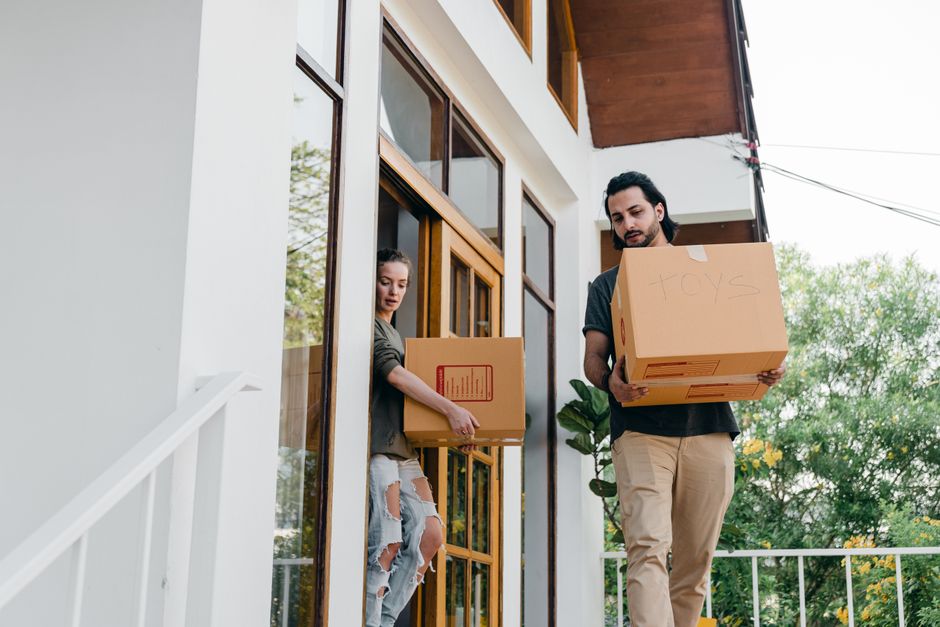
Here are some strategies:
Sort Your Items: Decide what’s truly worth keeping. Donate, recycle, or discard anything you haven’t used in six months. Schedule a Pre-Move Walkthrough: Southside Moving often recommends doing a walkthrough together to confirm the inventory and note any fragile or large items requiring special treatment. Label with Purpose: Avoid the pet peeve of labeling boxes by item; instead, label by room. This makes unpacking simpler and helps movers place boxes correctly.Non-Allowables and Safety-Based Exclusions
No mover, including Southside Moving, will transport certain items due to safety, legal, or insurance restrictions. These generally include:
- Flammable liquids or solids Perishable foodstuffs Explosives or ammunition Hazardous materials such as chlorine or propane tanks
To avoid last-minute surprises, consult the FMCSA’s guidelines and the “Protect Your Move non-allowables list”. Inform movers well in advance, never at 8 a.m. on move day — that’s one of my biggest personal annoyances.
Truck Parking and Building Access Logistics
Before even thinking about photos or boxes, confirm where the moving truck will park.
Why I Ask About Parking First: I’m old-school this way because improper truck placement can severely impact the move’s timeline and your belongings’ safety.
Some tips to smooth the process:
- Reserve the Spot: Work with your building management or local municipality to reserve a loading zone. Southside Moving regularly coordinates these details for Portsmouth, VA clients to ensure compliance and ease. Know Elevator Hours and Restrictions: Book elevators in advance if you’re in a condo or high-rise. Many require security and have specific move time windows. Measure Entry Points: Measure doorways, stairwells, and elevator dimensions ahead of time. Confirm that large furniture pieces will fit through exits without damage.
Need to Measure? Here’s a Quick Table for Reference
Furniture Item Standard Dimensions (LxWxH in inches) Recommended Doorway/Stairway Minimum Clearance Sofa 84 x 35 x 34 40 inches wide door or wider, 7 ft ceiling clearance King Bed Frame 80 x 76 x 18 (mattress only) 36 inches wide, 7 ft ceiling clearance Dining Table (Without Leaves) 72 x 42 x 30 38 inches wide door, 7 ft ceiling clearanceHow to Take Effective “Empty Room Photos Moving”
When you’re ready to take your empty room photos, keep these tips in mind:
- Use a Good Camera or Smartphone: Take high-resolution photos to capture details clearly. Shoot From Multiple Angles: Cover every corner, doorway, and any potential damage points (like scuffed walls or carpet stains). Include Doorways and Windows: These provide spatial context. Label Photos: Name files or include timestamps and room tags like “Living Room_AfterLoad_2024-06-15”. Stay Consistent: If you took photos when you moved in, replicate similar shots at move-out for fair comparisons.
Inventory Support Photos
Inventory lists are essential, but paired with detailed photos, they become a More help much more powerful safeguard. For example, if a scratched dresser drawer only appears as “dresser – living room” in your inventory, a photo can show the location and extent of the damage.
Southside Moving uses digital checklists combined with photos to provide clients with complete records. This approach reduces disputes and speeds up claims processing if damage occurs — a win-win.
Summary: Why You Should Photograph Empty Rooms After Loading
Ultimately, empty room photos are your best ally on moving day for documenting move-out condition, supporting inventories, and protecting your rights. When paired with advance planning on parking logistics, decluttering, and adherence to FMCSA-supported guidelines from Protect Your Move, you’ll face fewer surprises and smoother transitions.
So my advice? Before you close that door after the truck is fully loaded, grab your camera, mark the rooms in painter’s tape (trust me, it pays off!), and snap those empty room photos moving. Your future self will thank you.
Useful Links and Resources
- Southside Moving (Southside Portsmouth Va Movers) Protect Your Move (FMCSA Resource) FMCSA Your Rights and Responsibilities When You Move Booklet FMCSA Ready to Move Brochure