Hi there! I’m the office manager at a busy pest control firm here in Connecticut. If I had a nickel for every time I picked https://discountcleaners.net/is-it-normal-for-ground-nests-to-appear-out-of-nowhere/ up the phone to hear, "There's a bee in my wall," I’d be retired on a beach somewhere instead of scheduling technicians in the middle of a yellowjacket swarm. First things first: Where exactly are you seeing traffic? Are they coming in through a soffit, or are they hovering near your back deck? Knowing the entry point is the only way we can actually help you.
People constantly ask me if there is a season pass for pest control to keep these stinging insects away. The short answer is: sort of. While you can't stop nature, you can definitely set up a year-round wasp protection or a stinging insect maintenance plan. Let’s cut through the fluff and get into the real talk about keeping your Connecticut home sting-free.
Stop Calling Everything a "Bee"
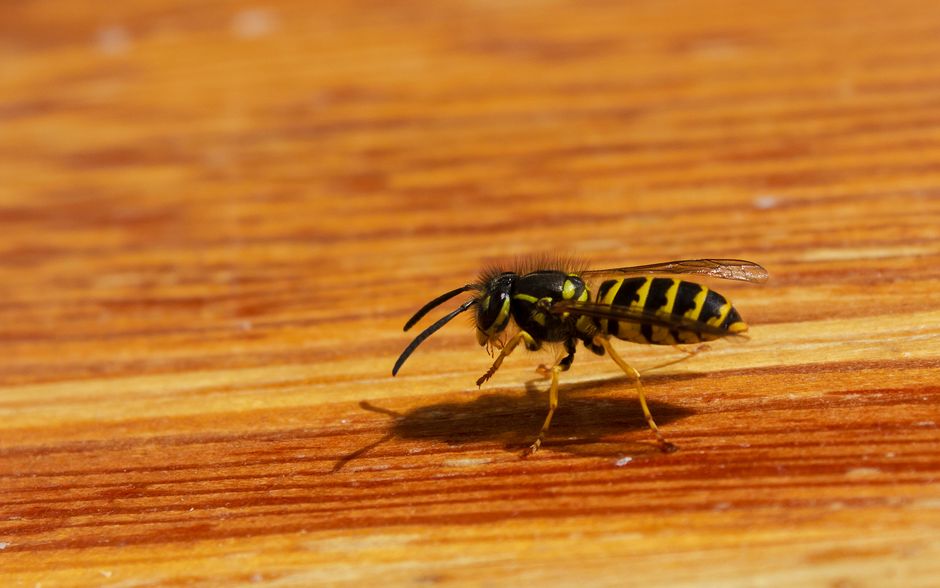
One of my biggest pet peeves is when clients call in a panic about "killer bees" when it’s actually a common paper wasp or a yellowjacket. If you’re seeing aggressive behavior, it’s almost never a honeybee. Honeybees are generally docile; they’re busy making honey, not trying to ruin your barbecue.
In Connecticut, the stinging insects that actually cause the most trouble are wasps, hornets, and yellowjackets. If you need professional identification, companies like Bee Smart Pest Control are great at distinguishing between a beneficial pollinator that needs to be left alone and an invasive yellowjacket nest that needs to go.
The "Is it a Bee or a Wasp?" Quick Reference
Feature Honey Bee Wasp/Yellowjacket Body Shape Fuzzy, rounded Sleek, hairless, defined "waist" Aggression Low (unless threatened) High (territorial) Stinger Barbed (dies after stinging) Smooth (can sting repeatedly)Why "Just Spraying It" Is a Terrible Idea
I hear it every day: "I just bought a can of spray from the hardware store and blasted the hole." Please, stop doing that. If you spray the entrance of a wall void without knowing where the nest is, you aren't killing the colony—you’re just sealing the door. When the insects can’t get out the way they usually do, they start chewing through your drywall. Next thing you know, you’ve got a thousand angry yellowjackets in your kitchen. That is a nightmare that no homeowner wants.
Professional pest control firms use fast-acting materials to knock down the immediate threat, followed by residual treatments that ensure the colony is actually eliminated at the source. If you’re dealing with a large swarm, companies like Mega Bee Pest Control (Mega Bee Rescues) are the experts you call to handle the removal safely and effectively.
Common Nesting Hotspots in Connecticut
When I’m scheduling our technicians, I always ask about these specific spots. If you want a stinging insect maintenance plan, these are the areas we inspect first:
- Wall Voids: These are the "hidden" nests that cause the most property damage. Deck Undersides: Paper wasps love the shelter provided by your deck boards. Shutters and Eaves: The classic "hidden in plain sight" locations. Ground Nests: This is a big one in Connecticut. Yellowjackets love abandoned rodent burrows in your lawn.
The Lawn Mower Danger Zone
There is nothing worse than a homeowner calling in with a sting because they accidentally ran over a ground nest with a lawnmower. If you notice a high concentration of activity in one specific patch of grass, stay away! Call a pro to inspect it. Ground nests are often missed during basic perimeter sprays because they require specific targeting.
The Seasonality: Why July and August are the "Danger Zone"
In Connecticut, stinging insect activity follows a very predictable calendar. Here is why you should look into a season pass for pest control starting in the the spring:

By the time August hits, the nest is massive. If you wait until then to start thinking about protection, you’re behind the curve. Pretty simple.. A good year-round wasp protection plan involves early-season inspections to prevent these massive colonies from establishing themselves in your home’s structure in the first place.
How a Stinging Insect Maintenance Plan Works
So, what do you actually get with a "season pass"? It isn't a magical force field, but it is the closest thing to it. connecticut pest control A professional plan generally includes:
- Spring Perimeter Inspection: We look for overwintering queens and potential nesting sites. Regular Residual Treatments: We apply materials to eaves, window frames, and other common entry points to discourage nest building. Priority Response: When you have a massive nest show up in July, you want to be on the list for a technician to get out there immediately.
Frequently Asked Questions
Should I seal the hole myself?
No! Never seal a hole until you are 100% sure the nest is dead. If you seal it and the nest is active, they will find another way into your living space, usually through electrical outlets or light fixtures.
Can I use natural oils?
Essential oils are great for aromatherapy, but they are not effective for controlling an established wasp colony. Don't risk your safety based on an internet blog that claims peppermint oil will solve a yellowjacket infestation.
What if I see a nest, but it’s small?
Small nests are much easier to manage. If you spot a "golf ball" sized nest early in the spring, it is much cheaper and faster to deal with than a "basketball" sized nest in August.
Final Thoughts: Don't Wait for the Sting
Listen, I’ve been doing this long enough to know that nobody wants to deal with a wasp nest on a Saturday morning. If you are in Connecticut and you’re tired of the seasonal stress, reach out to a local professional. Whether you choose Bee Smart Pest Control or need the specialized services offered by Mega Bee Pest Control (Mega Bee Rescues), make sure you get a plan that includes regular inspections.
Stop playing the DIY guessing game with your safety. Get a professional set of eyes on your home early in the season, and you’ll spend your summer actually enjoying your deck instead of running away from it. And seriously, the next time you call, please tell me exactly where that traffic is—it saves us both a lot of time!