When considering a DIY mini split system for your home, the Thin-Air 9500 BTU concealed unit priced at $2,299.99 immediately catches the eye. This sleek, pre-charged, quick-connect system, boasting 19.6 SEER2 efficiency, promises to cool or heat spaces up to approximately 475 square feet. But what do you really get for that price, and how does it stack up against competitors like Zone Air? In this blog, I’ll break down the costs, the sizing essentials, common installation pitfalls, and integration features so you can decide if the Thin-Air unit fits your project.
Understanding the Thin-Air 9500 BTU Concealed Unit
The Thin-Air 9500 BTU concealed mini split offers a great blend of power and efficiency with a 19.6 SEER2 rating, putting it on the higher end of seasonal energy efficiency. Its BTU rating means it’s best suited for rooms or areas roughly the size of a medium bedroom or small living room — about 475 sq ft.
- BTU to Square Footage: Just as a quick reminder, a 9,500 BTU system typically covers close to 475 sq ft. Think of it as comfortably handling a comfy family room, home office, or master bedroom. Concealed Design: Unlike wall-mounted units, concealed mini splits are great if you prefer hidden indoor components and sleek aesthetics. Pre-Charged & Quick-Connect: These features are gold for DIY-ers. The pre-charged refrigerant lines mean no measuring or topping off after installation, and quick-connect lines dramatically reduce headaches and potential leaks.
Price Breakdown: Is $2,299.99 Worth It?
The price tag of $2,299.99 for the Thin-Air 9500 BTU unit is not unusual for a concealed mini split with these specs and efficiency. In comparison, consider the Zone Air DIY 9,000 BTU 23 SEER2 wall mount, currently priced at $1,899.99 (marked down from $2,499.99, a 24% discount). Here’s a quick table comparing these two:
Feature Thin-Air 9500 BTU Zone Air DIY 9000 BTU Wall Mount Price $2,299.99 $1,899.99 (24% off) BTU 9,500 9,000 SEER2 Rating 19.6 23 Indoor Unit Style Concealed Wall Mount Voltage Typically 115V or 230V options (check specs) 115V Plug-InSo, if you want a concealed unit and don’t mind paying slightly more for that hidden look and the 9,500 BTU power (a bit bigger than Zone Air’s 9,000 BTU), the Thin-Air system is competitive. But if you want to save upfront, are okay with a wall mount, and prefer 115V plug-in convenience, the Zone Air option seems attractive — especially with their free sizing and rebate calculators on their website to custom-tailor your purchase.
Sizing Your System: BTU and Square Footage
One of the biggest misconceptions when buying mini splits is using BTU numbers loosely without correctly sizing for your space. A 9,500 BTU unit, like Thin-Air’s, should cover up to about 475 square feet comfortably. This is roughly the size of an average bedroom or small living area.
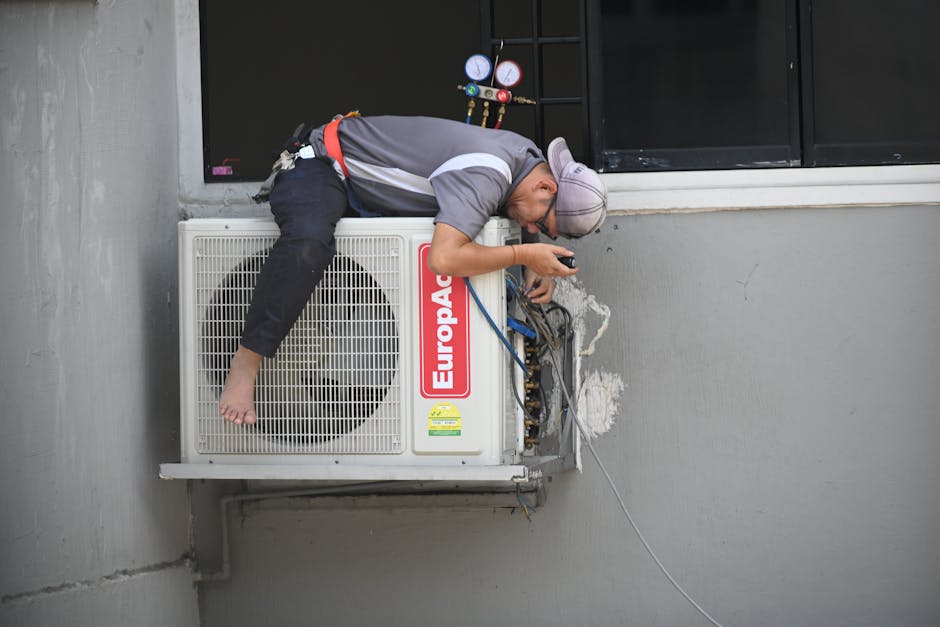
- If your room is significantly smaller, say 250-300 sq ft, the unit will short-cycle — turning on and off too often, wearing out components prematurely and increasing energy bills. If your room is much larger — 600 sq ft or more — the unit will struggle to keep up, leading to constant operation with insufficient cooling or heating.
The best practice is to pull out a tape measure and use tools like the Zone Air free sizing calculator (even if you don't purchase from Zone Air) to input your room parameters, insulation levels, and climate zone. This gives a more tailored idea of the ideal BTU for your application.

Single-Zone vs Multi-Zone Mini Split Planning
Most DIYers start with a single-zone unit (one outdoor compressor and one indoor unit), which the Thin-Air 9,500 BTU falls into. These are perfect for a single living space or room.
If you plan to cover multiple rooms or zones, consider multi-zone mini splits, which allow multiple indoor units to connect to one outdoor compressor. This setup zone-air.com improves efficiency and control across house areas but increases complexity, pricing, and installation requirements.
If multi-zone is your goal, I recommend consulting a pro beforehand, as line set routing becomes tricky and managing proper line lengths, amperage, and electrical loads can be challenging.
115V Plug-In Convenience vs 230V Performance
A common question when buying mini splits is the difference between 115V and 230V power configurations. Here’s a plain-English breakdown:
- 115V Plug-In Units: These are insanely convenient for DIY installs — just plug the outdoor unit into a standard outlet (sometimes with a dedicated breaker). This lowers installation difficulty, reduces electrician hours, and speeds up your project. 230V Hardwired Units: These usually deliver higher performance and allow bigger BTU capacities but require a certified electrician to run dedicated breaker lines and properly size wiring.
Thin-Air models may offer both, so check your specs. The Zone Air DIY 9,000 BTU comes standard with 115V plug-in stuff, which adds to its value in quick DIY setups.
Tools and Features Worth Considering
Zone Air’s Free Sizing and Rebate Calculators
While Thin-Air doesn’t currently offer online calculators, Zone Air’s tools are super handy for sizing your mini split perfectly for your home:
- Zone Air Sizing Calculator helps estimate BTU requirements based on your input of square footage, climate, and insulation. Zone Air Rebate Calculator estimates your potential savings and utility rebates, which can offset upfront costs substantially.
Even if you buy Thin-Air, these tools are worth using as benchmarks for sizing and cost planning.
Installation Tips: Don’t Kink the Lineset!
One of the most annoying mistakes I see homeowners and DIYers make is mishandling the refrigerant lineset. The thin copper tubing between the indoor and outdoor units is fragile. Kinking it during installation can cause leaks and system inefficiency.
Do NOT try to straighten a kinked lineset by bending it back and forth. You will weaken the copper, cause micro-cracks, or open up ruptures over time.
The best practice if you spot a kink is to replace the lineset completely rather than hoping it will recover. Quick-connect pre-charged units like the Thin-Air are designed for quick line set swaps, making this less painful.
Smart Home Integration: Alexa and Google Assistant
Both Thin-Air and Zone Air models typically support smart home integration. If you love voice control or automated temperature schedules, look for compatibility with popular platforms like:
- Amazon Alexa – control your mini split with voice commands or routines Google Assistant – integrate with Google Home devices for seamless thermostat control
This feature can turn your mini split into a smart appliance that adjusts based on your preferences without lifting a finger.
If This Is You — Call a Pro!
DIY is awesome, but some red flags should send you straight to a licensed HVAC professional:
Planning multi-zone installations that require complex line sets and electrical setups Handling 230V electrical modifications / breaker panel upgrades Dealing with unusually long line runs over manufacturer max distances Uncertainty about local permits or codes — which can impact inspection if selling a house laterElectrical work and refrigerant handling mistakes can lead to costly callbacks or dangerous situations, so when in doubt, invest in professional help.
Final Thoughts
The Thin-Air 9,500 BTU concealed mini split priced at $2,299.99 offers a solid option for those wanting a high-efficiency, mid-sized concealed unit for spaces up to about 475 square feet. Its pre-charged, quick-connect design is ideal for DIY enthusiasts who want less mess and fuss.
If budget is a concern, the Zone Air DIY 9,000 BTU 23 SEER2 wall mount at $1,899.99 (and often discounted) could save you several hundred dollars while providing excellent energy efficiency and plug-in convenience. Don’t forget to leverage their free sizing and rebate calculators to get the most value. Plus, both brands support smart home features like Amazon Alexa and Google Assistant, adding modern convenience.
Finally, treat your linesets with care — no kinking or aggressive bending. And remember, certain complex installs mean calling in professionals can save you headaches. With the right sizing, tools, and planning, your thin-air or Zone Air mini split will keep you comfortable for years to come.