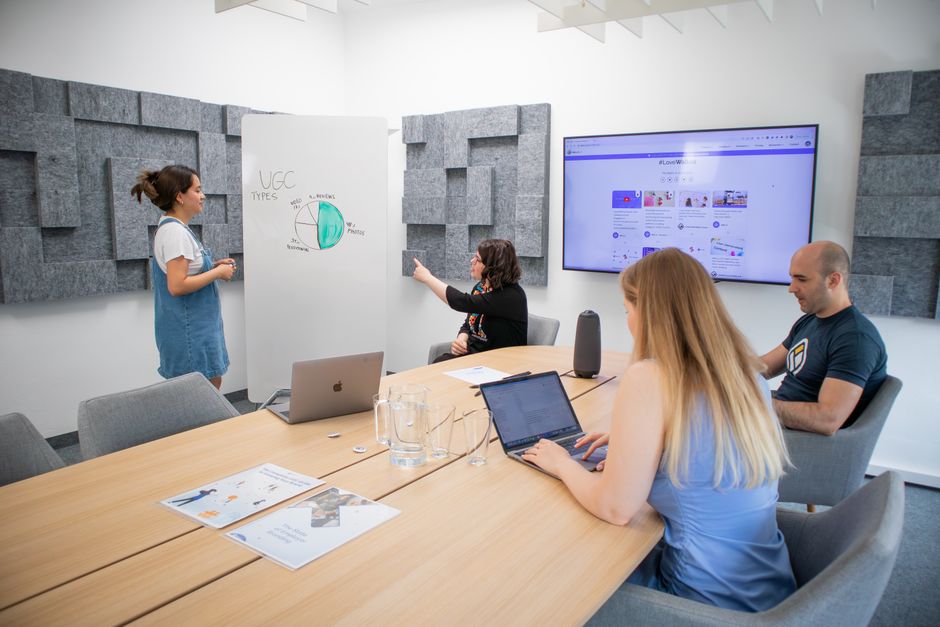
Designing an office that effectively supports both creativity and deep work has become a crucial challenge for many organizations, especially in today’s evolving hybrid work landscape. Companies like Lum Chang Brandsbridge are leading the way by embracing innovative solutions that balance creative office zones with quiet focus rooms, ensuring employees can thrive in lorddecor.com both collaborative and solitary work modes.
Drawing insights from thought leaders such as Harvard Business Review, this post explores practical strategies and design principles to create an office environment that enhances productivity, fosters innovation, and respects individual work rhythms.
The Changing Landscape of Work: Hybrid Work and Changing Expectations
The emergence of hybrid work models has reshaped office design priorities. Employees now expect flexibility—not only in when they work but where and how. Workspaces must accommodate shifting needs, from spontaneous brainstorming sessions to extended periods of uninterrupted concentration.
Harvard Business Review highlights that workers value environments that enable autonomy and adaptability, enabling them to engage meaningfully both in-person and remotely. In response, companies like Lum Chang Brandsbridge are pivoting towards designs featuring versatile zones rather than rigid desk setups.
Key Workplace Trends Influencing Design
- Hybrid Flexibility: Catering to both remote and in-office team members with adaptable spaces. Activity-Based Workspaces: Designing areas matched to specific tasks like collaboration, deep focus, and casual interaction. Employee Wellbeing: Integrating natural light, greenery, and ergonomic furniture to support physical and mental health. Technology Integration: Seamless connectivity tools to bridge gaps between remote and onsite work.
Flexible Layouts and Multi-Purpose Zones
The ability to quickly reconfigure spaces is essential to accommodate diverse working styles. A layout that supports multiple modes—collaboration, creativity, focused work, and relaxation—ensures that no matter the task, the environment can enhance productivity.
Designing Creative Office Zones
Creative office zones encourage idea generation and spontaneous interaction. These areas are typically open, visually stimulating, and equipped with writable surfaces, modular furniture, and technology for brainstorming sessions.
- Example Features: Whiteboards, movable seating, standing desks, casual lounge chairs. Spatial Arrangement: Open layouts with pockets of enclosed spaces to prevent excessive noise distractions. Visual Identity: Incorporating vibrant colors and artwork to stimulate creativity.

Quiet Focus Rooms: Enabling Deep Work
Deep work requires minimizing interruptions and distractions. Designing quiet focus rooms involves creating sound-insulated, comfortable, and private spaces where employees can disconnect from the surrounding bustle.
- Key Elements: Acoustic panels, noise-canceling technology, ergonomic chairs, adjustable lighting. Booking Systems: Integration with digital calendars to reserve rooms, ensuring availability and fairness. Location: Situated away from high-traffic zones to reduce noise infiltration.
Research from the Harvard Business Review supports the impact of quiet zones on employee satisfaction and performance, emphasizing their role in reducing cognitive fatigue.

Design Based on Real Workflows
A successful office design aligns with how work actually happens day-to-day, rather than theoretical ideals. This means mapping out employee workflows, understanding task flows, and consulting teams to identify where and how collaboration and individual focus are needed.
Steps to Align Design with Workflows
Conduct Surveys and Observations: Gather insights on employee preferences and work habits. Analyze Task Types: Determine the ratio of collaborative versus individual work. Identify Movement Patterns: Understand how teams move through the office and interact. Develop Activity Zones: Create spaces tailored to specific activities like meetings, brainstorming, and deep work. Test and Adapt: Use pilot areas and solicit feedback to refine designs. 
Collaboration vs Privacy Balance
One of the biggest challenges in office design is achieving the right balance between collaborative project areas and private spaces for focused work. Both are equally critical, yet they require contrasting environmental qualities.
Aspect Collaborative Project Areas Quiet Focus Rooms Noise Level Medium to high—facilitates lively discussion Low—minimize distractions Furniture Modular, adjustable seating, large tables Ergonomic desks, comfortable chairs, privacy screens Technology Video conferencing, shared digital whiteboards Sound masking, individual charging stations Accessibility Central, accessible to teams Distributed, tucked away in quieter zonesCompanies like Lum Chang Brandsbridge incorporate advanced acoustic technologies and flexible partitions to enable rapid transformation between collaborative and private setups, maximizing space efficiency and user satisfaction.
Summary: Key Takeaways for Designing an Office That Supports Both Creativity and Deep Work
- Embrace Hybrid Work Principles: Design spaces that cater to flexible schedules and remote integration. Create Distinct Zones: Separate creative office zones and quiet focus rooms to cater to different work modes. Base Design on Real Workflows: Consult employees and observe workflows to inform layout and furniture choices. Balance Collaboration and Privacy: Use flexible elements and thoughtful acoustics to support both interaction and concentration. Leverage Technology: Integrate modern tools seamlessly to enhance connectivity and space management.
Ultimately, an office that supports both creativity and deep work is one that values employee experience and adapts over time. By applying these principles and looking to successful examples from leading firms such as Lum Chang Brandsbridge, your workspace can become a catalyst for innovation and focused performance alike.
Image sources: Squarespace CDN (images.squarespace-cdn.com)