If you're shopping for home cooling solutions, one question you'll inevitably face is: do mini splits keep temperature steadier than cheaper on-off AC units? The answer is a solid Yes — but it comes with some important nuances about how these systems work and what that means for your comfort, installation, and ongoing costs.
Understanding Temperature Swing and How AC Units Work
Before diving into mini splits versus cheaper on-off air conditioners, let’s tackle a fundamental concept: temperature swing. This is the fluctuation in your indoor temperature as the cooling equipment cycles on and off.
Traditional on-off air conditioners work by blasting cold air until the thermostat hits the set temperature. Then they switch off entirely. As the room warms up again, the system blasts cold air once more. This leads to noticeable temperature swings and the classic feeling of the room being “too cold” then “not cold enough.”
The Variable Speed Compressor Advantage
Mini split systems commonly incorporate variable speed compressors that modulate their output to meet your cooling needs precisely – not more, not less. This modulation means the unit runs longer, but at lower power, resulting in:
- Less cycling: fewer full on/off cycles reduce wear and energy spikes. Less temperature swing: maintaining a more consistent temperature throughout the space. Increased comfort: fewer hot or cold bursts keep your room feeling steady.
Don’t forget to ask yourself: what breaker is this on? Because whether it’s a 115V plug-and-play or a 230V dedicated circuit, how your system hooks into your home’s electrical system impacts installation complexity and energy use.
Spotlight: Zone Air DIY Mini Split – A Real-World Example
Consider the Zone Air DIY 9,000 BTU 23 SEER2 Wall Mount, currently priced at $1,899.99 (down from $2,499.99). This model serves spaces up to 450 sq ft and connects to standard 115V plug-and-play power.
What makes this noteworthy? Besides the impressive SEER2 rating, it uses a pre-charged quick-connect lineset with R454B refrigerant, designed specifically for DIY installation without special tools or certifications.
Pre-Charged R454B Quick-Connect Linesets: What Changes?
These pre-charged linesets allow you to skip several costly and complicated steps that traditionally form bottlenecks in mini split installations:
No vacuum pump needed: The lineset arrives pre-evacuated and charged, eliminating the need to pull a vacuum. No gauge manifold required: No need to measure pressures during installation. No EPA 608 refrigerant certification: Because you're not handling refrigerant charging, these certifications aren't mandatory for DIYers.Combined, these features dramatically lower the barriers to entry for homeowners wanting professional-level mini split comfort without paying professional labor costs.
Don’t Skip the Torque Specs and Avoid the “Just Unkink It” Mistake
While these linesets simplify things, two installation “small mistakes that turn into big leaks” must be avoided:
- Ignoring torque specifications: Make sure to use a torque wrench to tighten flare nuts exactly to manufacturer specs to prevent leaks. Using damaged linesets: If you discover any dents or kinks, replace rather than attempting to straighten them – a kinked line inevitably leads to refrigerant leaks down the road.
Sizing Matters: Why Accurate Square Footage Measurement Saves You From Oversizing
Here’s where I break my own rule every time: measure rooms twice and complain about people skipping wall measurements.
Oversizing HVAC equipment https://zone-air.com/solutions/diy-mini-splits/ “just in case” leads to more frequent cycling, higher energy bills, and inconsistent temperatures. Mini splits shine here because they are sized closely to the room or zone, controlling the variable speed compressor to match demand.
For example, your 9,000 BTU Zone Air unit is rated for up to 450 sq ft, a good target for bedrooms, small living rooms, or office spaces. If you oversize and pick a 12,000 BTU unit for the same space, you'll get less efficient running and more on/off cycling—defeating the very purpose of less temperature swing.
115V Plug-and-Play vs 230V Dedicated Circuit Reality
Many mini splits, like the Zone Air DIY model mentioned, run on standard 115V outlets. This plug-and-play feature simplifies installation, letting homeowners avoid expensive electrician work to pull a 230V circuit.
However, with all plug-and-play claims, the reality check is:
- Confirm the breaker rating: Most 115V mini splits require a 15-20 amp circuit, not one already shared by heavy-use kitchen or laundry appliances. Dedicated circuit benefits: 230V units might be more efficient long-term in larger spaces but require professional install.
Amazon Alexa integration is another sweet spot advance for many mini splits. Models like MrCool, for instance, offer voice and app control, letting you maintain precise temperature setpoints hands-free—another layer of maintaining “less temperature swing” while maximizing comfort.
Comparing Mini Splits to Cheaper On-Off AC Units
Aspect Mini Split (Variable Speed) Cheaper On-Off AC Units Compressor Type Variable Speed Compressor Single Speed Compressor Temperature Swing Less Temperature Swing More Temperature Swing Cycling Frequency Less Cycling (Longer Runs at Low Power) Frequent On/Off Cycling Energy Efficiency Higher (SEER 20+ Common) Lower (Typically SEER 10-13) Installation Complexity DIY Friendly with Pre-Charged Lineset Simple Plug-In Window or Portable Units Certifications Required None for DIY Pre-Charged Systems NoneFinal Takeaways: What Should You Choose?
If you value steady temperatures, lower energy bills, and overall comfort, investing in a mini split with a variable speed compressor, like the Zone Air DIY 9,000 BTU 23 SEER2 wall-mount, makes sense. Plus, thanks to pre-charged R454B quick-connect linesets, you can save on tools, certifications, and labor compared to traditional installs.
On the other hand, cheaper on-off AC units are straightforward, less expensive upfront, but you’ll face more temperature swings, energy use, and possibly less comfort.
My biggest tip? Measure twice, size right, torque to spec, and don’t skimp on the lineset quality. These “small mistakes that turn into big leaks” can wreck your mini split experience and your wallet.
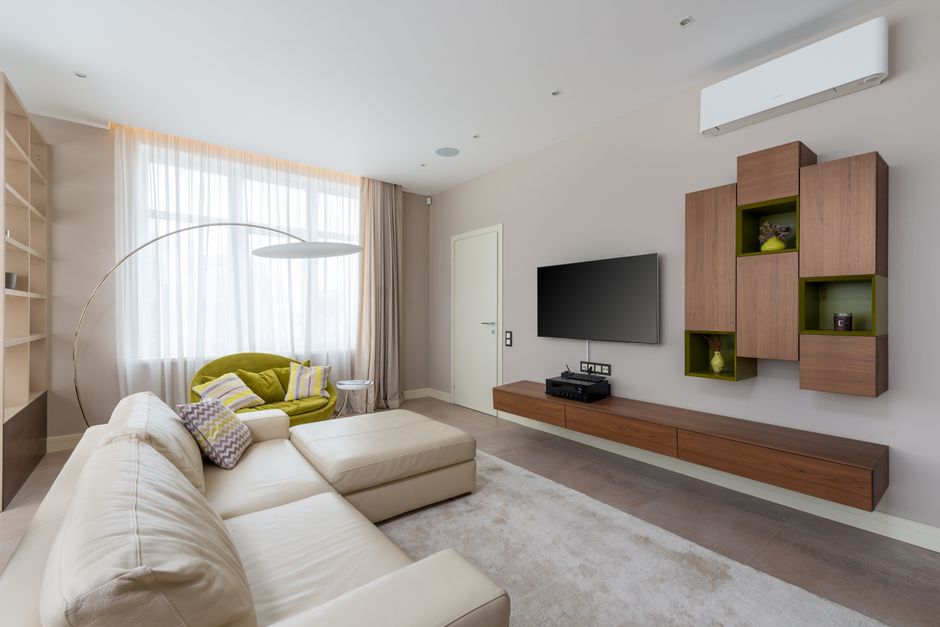

Lastly, leverage the power of smart home tech like Amazon Alexa integration found in brands such as MrCool to refine your comfort control for the long haul.
Still unsure what’s best for your space? Drop me a comment below or check out our detailed product guides – always measuring rooms twice before making your pick!